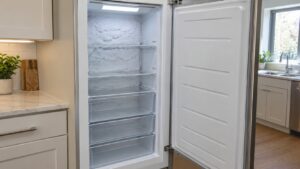

This guide covers Maintain Your Jenn-Air Freezer with practical, technician-backed advice.
This guide covers Maintain Your Jenn 7 with practical, technician-backed advice.
This guide covers Jenn-Air Maintain Jenn 7 with practical, technician-backed advice.
Understanding the Maintain Your Jenn-Air Freezer
Below, our specialists break down everything you need to know about the Maintain Your Jenn-Air Freezer.
Understanding the Maintain Your Jenn 7
Below, our specialists break down everything you need to know about the Maintain Your Jenn 7.
Understanding the Jenn-Air Maintain Jenn 7
Below, our specialists break down everything you need to know about the Jenn-Air Maintain Jenn 7.
Standalone Freezers vs. Combined Units
A standalone column freezer, often installed in a garage or utility room, tends to accumulate dust on its condenser coils faster than a kitchen unit simply due to its environment, and garage installations should be checked against Jenn-Air’s ambient temperature specifications, since some compressors aren’t rated to start reliably in very cold unheated spaces. A freezer paired with a refrigerator in a French-door configuration shares more components between compartments, which is worth keeping in mind when a symptom in one section could originate from shared ducting or fans.
Why Freezer Maintenance Is Different From Refrigerator Maintenance
A freezer runs its compressor harder and more continuously than the refrigerator section of the same appliance, since it maintains a much lower target temperature. That extra workload means small maintenance gaps — a slightly loose door seal, dusty condenser coils — translate into a bigger strain on the compressor than the same issue would cause on a refrigerator, which is why freezer-specific upkeep is worth treating as its own routine.
Condenser Coil Cleaning
On column freezers, the condenser coils are typically located behind a bottom grille or kickplate. Twice a year, unplug the unit, remove the grille according to your owner’s manual, and vacuum the coils and surrounding area with a brush attachment to remove accumulated dust and pet hair. Coils insulated by dust force the compressor to run longer to reject the same amount of heat, gradually shortening its service life.
Door Seal and Gasket Checks
A freezer door seal that’s lost its grip lets warm, humid air infiltrate every time the door closes, which both raises energy use and accelerates frost buildup on the evaporator coil. Run the classic dollar-bill test along the entire perimeter of the door — close the bill in the door and pull; noticeable resistance should be consistent all the way around. Clean the gasket periodically with mild soap and water, since food residue trapped in the gasket folds prevents a full seal even when the rubber itself is in good condition.
Managing Frost and the Automatic Defrost Cycle
Modern Jenn-Air freezers use an automatic defrost cycle to keep the evaporator coil clear, but a door left slightly ajar or opened frequently in humid weather can introduce more moisture than the defrost cycle is designed to handle in a single pass. If you notice frost accumulating on interior walls rather than staying confined to the evaporator coil area behind its panel, check that the door is sealing and closing fully after each use.
Loading Practices That Support Airflow
Avoid packing food directly against the rear or side vents inside the freezer compartment. These vents are how cold air generated at the evaporator reaches the rest of the cabinet, and blocking them creates uneven cooling that can mimic a mechanical failure. Leave a small gap between stacked items and the interior walls, particularly near any visible vent openings.
Temperature Verification
Periodically check the freezer’s actual internal temperature with an independent thermometer rather than relying solely on the digital display, since a drifting sensor can report an inaccurate reading for months before symptoms like soft ice cream become obvious. Ideal freezer temperature is at or below 0°F.
Seasonal Adjustments Worth Making
In summer, when the surrounding kitchen or garage where a standalone freezer sits runs warmer, the compressor works harder to maintain the same internal temperature, so this is a good time to double-check coil cleanliness and door seal condition even if you performed those checks earlier in the year. Conversely, in very cold garages during winter, some freezers can actually struggle to cycle correctly if ambient temperature drops below the range the compressor is designed to operate in, which is worth knowing before assuming a component has failed.
When to Call for Service
Routine coil cleaning and seal checks prevent the majority of premature compressor strain, but evaporator fans, defrost heaters, and door gaskets still eventually need replacement. If you notice persistent frost, soft food, or a compressor that runs constantly despite clean coils, see our freezer troubleshooting guide or explore our refrigeration repair service. Schedule a maintenance visit, or check coil access instructions for your model on jennair.com.