
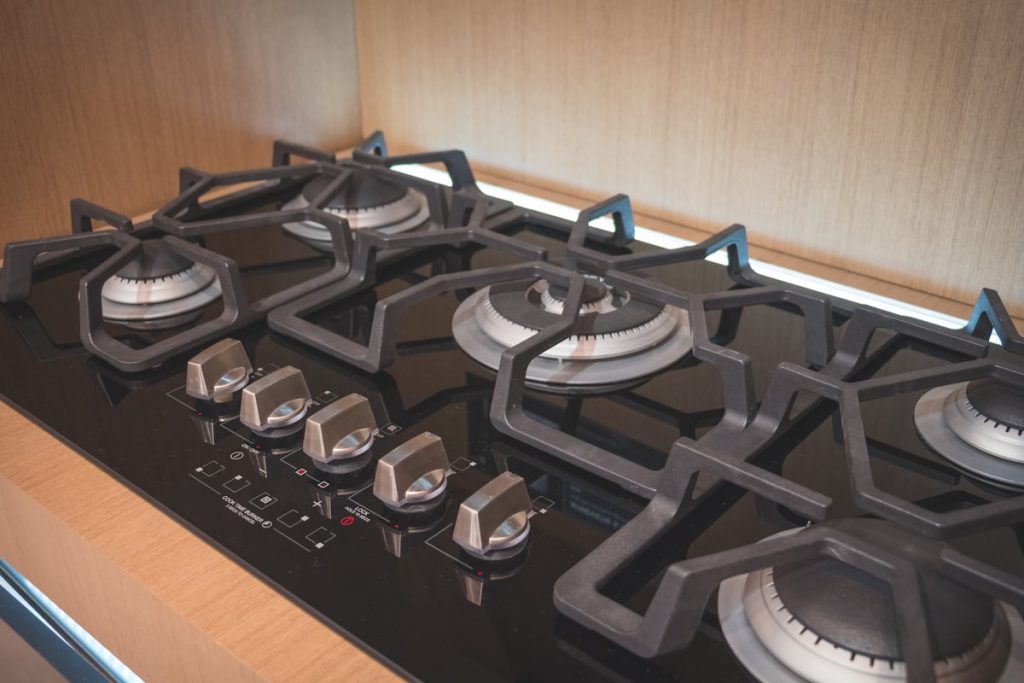
This guide covers Jenn-Air Cooktop Installation & Setup with practical, technician-backed advice.
This guide covers Jenn-Air Jenn 14 with practical, technician-backed advice.
A Jenn-Air cooktop — gas, induction, or downdraft — sits at the center of the kitchen and needs to be installed with precise attention to the countertop cutout, the power or gas supply, and, for downdraft models, ventilation ducting. Because cooktops are built into solid countertop material, mistakes here are far harder to fix after the fact than with a freestanding appliance, which is exactly why professional installation matters.
Understanding the Jenn-Air Cooktop Installation & Setup
Below, our specialists break down everything you need to know about the Jenn-Air Cooktop Installation & Setup.
Understanding the Jenn-Air Jenn 14
Below, our specialists break down everything you need to know about the Jenn-Air Jenn 14.
Cutout Dimensions Must Be Exact
Every Jenn-Air cooktop model specifies precise cutout dimensions, minimum clearances to adjacent cabinetry, and required clearance beneath the countertop for the cooktop’s control housing and, on gas models, the burner assembly. Cutting the opening even slightly wrong means the cooktop won’t seat properly or won’t seal against the countertop, leading to gaps where spills can seep beneath the surface. This measurement work should happen before the countertop is fabricated, not after, which is why installation planning ideally starts during the kitchen design phase.
Induction Cooktops Need Dedicated High-Amperage Circuits
Induction cooktops draw significant power and require a dedicated 240-volt circuit sized to the specific model’s amperage rating. Because induction cooking relies on electromagnetic coils rather than open flame or resistive elements, the electrical connection needs to be both correctly rated and properly grounded — an underrated circuit can cause the cooktop to underperform or trip breakers under high-power settings like boiling large pots quickly.
Gas Cooktops Require a Certified Line Connection
Gas cooktops need a properly sized gas supply line, a shutoff valve, and a leak-tested connection, exactly like a gas range. Because a cooktop sits directly in countertop material with cabinetry below, a gas leak in this location is both harder to detect by smell before it accumulates and more hazardous given the proximity to combustible cabinetry. This is one of the clearest cases where professional installation and a proper leak test are worth the cost purely for the safety margin.
Downdraft Models Add a Ventilation Step
If you’re installing a downdraft cooktop, the ducting must run correctly to an exterior vent, with the duct sized appropriately for the downdraft’s airflow rating. Poorly routed or undersized ducting is one of the most common downdraft complaints, and it’s almost always an installation issue rather than a defect in the appliance itself. Verify duct routing before the cooktop is set into the countertop, since accessing the ducting afterward often means pulling the unit back out.
Test Before You Cook
Once installed, run each burner or induction zone through its full power range, confirm the control panel responds accurately, and for downdraft models, confirm the vent motor pulls air effectively at each fan speed. Catching a wiring or gas connection issue during this test phase is far easier than after the countertop and cabinetry are fully finished around the unit.
Coordinate Timing With Your Countertop Fabricator
Because the cutout is cut into solid countertop material, timing matters — the cooktop’s exact specifications need to reach your countertop fabricator before the slab is cut, not after. Ordering the cooktop and confirming its cutout template early in your kitchen project avoids the costly and time-consuming problem of a countertop that’s already installed with the wrong opening size, which is far harder to correct than adjusting plans on paper beforehand. This coordination step is frequently overlooked in fast-moving renovation timelines, so confirm it explicitly with both your fabricator and your installer rather than assuming it’s already handled. A short conversation between the two trades before the slab template is finalized can save weeks of delay later.
Let a Professional Handle the Install
Between exact cutout tolerances, gas or high-voltage electrical work, and ventilation routing, cooktop installation is not a job to improvise. Our technicians install Jenn-Air cooktops correctly the first time, verifying gas and electrical connections meet code and that downdraft ducting performs as designed. Schedule your cooktop installation, review our installation and setup services, or check your specific model’s cutout specifications. Jenn-Air’s own product pages list current cutout templates for each cooktop line.