This guide covers Jenn-Air Freezer Not Freezing with practical, technician-backed advice.
This guide covers Jenn-Air Jenn 40 with practical, technician-backed advice.
Understanding the Jenn-Air Freezer Not Freezing
Below, our specialists break down everything you need to know about the Jenn-Air Freezer Not Freezing.
Understanding the Jenn-Air Jenn 40
Below, our specialists break down everything you need to know about the Jenn-Air Jenn 40.
Ice Buildup on Stored Food Is a Clue
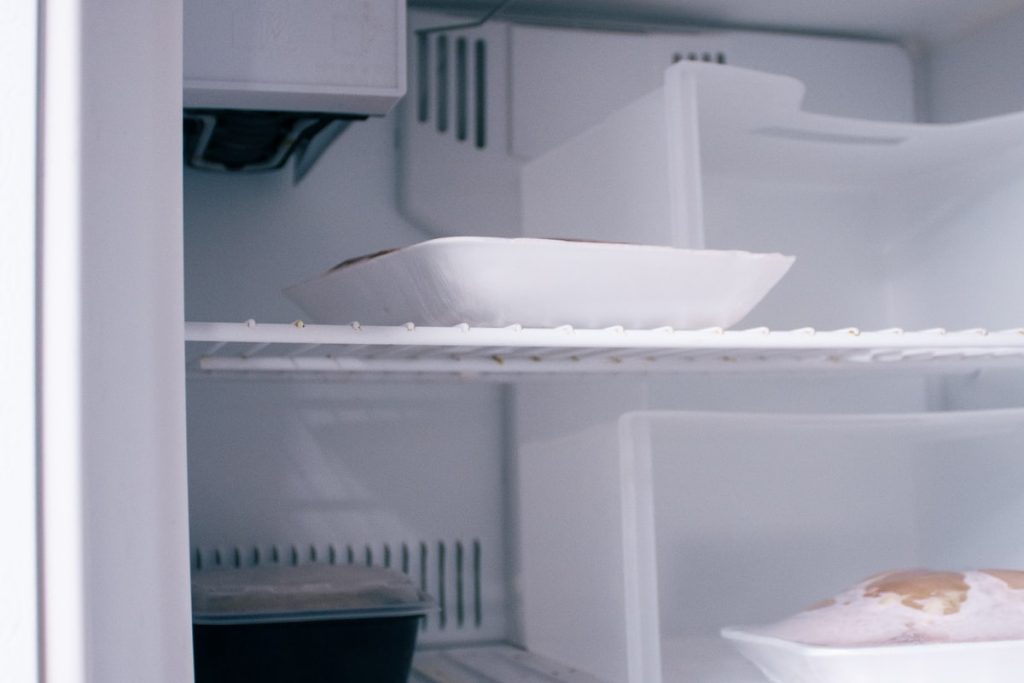
Look closely at packages near the back of the freezer for a thin layer of frost or ice crystals forming on their surface even though the compartment overall feels warm. This pattern often means the evaporator area behind the rear panel is producing cold air intermittently rather than failing completely, which points toward a fan or defrost cycle problem rather than a dead compressor. Compare this to food near the door, which typically warms first regardless of the underlying cause, since it’s most exposed to air exchange whenever the door opens.
Understand the Difference Between Slow Cooling and No Cooling
A Jenn-Air freezer that’s merely running warmer than usual is a different problem from one that has stopped cooling entirely. Gradual warming over days or weeks usually traces back to airflow or a control setting; a sudden loss of cooling more often signals a component failure in the sealed refrigeration system. Knowing which pattern you’re seeing narrows the diagnosis considerably before you open a single panel.
Airflow Blockages Are the Most Fixable Cause
Column freezers and French-door bottom-freezer models built by Jenn-Air rely on a single evaporator and fan shared with the refrigerator compartment, with cold air ducted between the two. If food packages are stacked against the rear vents inside the freezer, they block that airflow and the compartment struggles to reach temperature even though the compressor is running normally. Pull items away from the back wall and side vents, leave gaps between packages, and give the system 24 hours to recover before assuming a bigger problem exists.
Frost Buildup on the Evaporator Coil
If you can access the evaporator coil behind the rear panel and see a thick layer of frost or solid ice, the automatic defrost system has likely failed — either the defrost heater, the defrost thermostat, or the timer/control board that triggers the defrost cycle. A coil coated in ice can’t transfer cold air efficiently, so the freezer runs constantly without reaching set temperature. This is a repair, not a maintenance task, since it involves electrical components behind the interior panel.
Evaporator Fan Motor Failure
Listen for the fan. A working evaporator fan produces a steady low hum when the compressor cycles on. Silence, combined with a compressor that still runs and gets warm on the back of the unit, usually means the fan motor itself has failed or its blade is obstructed by ice. Without that fan circulating air, cold generated at the coil never reaches the food compartment.
Sealed System Problems
If the compressor runs continuously, the condenser coils underneath or behind the unit feel warm, and the freezer still won’t drop below a lukewarm temperature, a refrigerant leak or a failing compressor in the sealed system is possible. These repairs require recovering and recharging refrigerant with specialized equipment and should never be attempted outside a professional setting — both for safety and because improper handling voids any chance of a clean repair.
How Location Inside the Unit Affects Diagnosis
Column freezers, French-door bottom-freezer combinations, and side-by-side configurations route air differently, so where you notice the warm spot matters. A freezer that’s warm at the top but fine near the evaporator often has a duct or damper obstruction rather than a fan or sealed-system failure, while uniform warmth throughout the compartment points more strongly toward the compressor or refrigerant charge. Noting exactly where food feels warmest before your technician arrives speeds up the visit considerably.
What to Do Next
Start by clearing vents and giving the unit time to stabilize. If the freezer is still soft after a day, or if you notice heavy coil frost or a warm compressor with no cold air output, it’s time for a diagnostic visit. Check our error code reference if your model displays an error code alongside the temperature issue, and schedule a technician visit for sealed-system or evaporator work. Jenn-Air’s manufacturer site lists column and French-door freezer specifications by model if you need to confirm your unit’s configuration, and our models section has details on specific Jenn-Air refrigeration lines.