This guide covers Maintain Your Jenn-Air Cooktop with practical, technician-backed advice.
This guide covers Maintain Your Jenn 9 with practical, technician-backed advice.
This guide covers Jenn-Air Maintain Jenn 9 with practical, technician-backed advice.
Understanding the Maintain Your Jenn-Air Cooktop
Below, our specialists break down everything you need to know about the Maintain Your Jenn-Air Cooktop.
Understanding the Maintain Your Jenn 9
Below, our specialists break down everything you need to know about the Maintain Your Jenn 9.
Understanding the Jenn-Air Maintain Jenn 9
Below, our specialists break down everything you need to know about the Jenn-Air Maintain Jenn 9.
Setting a Realistic Cleaning Schedule
Rather than cleaning only when something looks dirty, tie cooktop maintenance to a schedule: wipe down after every use involving a spill, do a full grate and burner cap cleaning monthly, and reserve a deeper inspection of igniters and knob stems for every few months. Households that cook daily will naturally need the monthly tasks done closer to every two to three weeks, since buildup accumulates faster with heavier use.
Daily Habits That Prevent Bigger Problems
Most cooktop repairs we see start as a small maintenance gap that compounded over months. Wiping up spills while the cooktop is still slightly warm, rather than letting them bake onto the surface through repeated use, is the single habit that prevents the most repair calls, since dried sugar and grease are what eventually clog burner ports and stain induction and ceramic glass surfaces permanently.
Cleaning Gas Burner Components
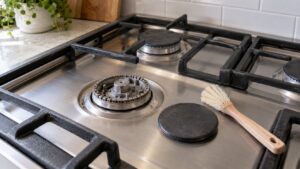
Remove the grates and burner caps at least monthly and wash them in warm soapy water, checking the small ignition ports around each burner head for blockages as you go. Use a fine wire or straight pin, never a toothpick that can snap off, to clear any port that looks partially blocked. Dry every component thoroughly before replacing it — moisture trapped near the igniter is a common cause of the clicking-but-not-lighting symptom that otherwise seems mysterious.
Caring for Induction and Ceramic Glass Surfaces
Induction and electric ceramic cooktops need a dedicated ceramic-safe cleaning cream rather than general kitchen cleaners, which can leave a film that shows up as permanent haze under cooking heat. Wipe up sugary spills immediately, since sugar can etch glass cooktop surfaces if it’s allowed to burn onto the glass repeatedly. Avoid abrasive scrub pads; a razor-blade scraper held at a low angle is the recommended way to remove stuck-on residue without scratching.
Keeping Control Knobs and Touch Panels Reliable
On models with removable knobs, pull them off occasionally and clean both the knob and the stem behind it, since spilled liquid running down around the knob shaft is a common path for moisture to reach the electrical switch behind it. On touch-control cooktops, wipe the panel with a barely damp cloth and dry it fully; never spray cleaner directly onto the panel, since liquid pooling around the edges can seep behind the membrane and cause the shorted-keypad failures that otherwise require a technician visit to diagnose.
Checking Ventilation and Downdraft Components
If your cooktop includes Jenn-Air’s downdraft ventilation, keep the grease filter clean according to the schedule in your owner’s manual — a clogged downdraft filter forces the motor to work harder and shortens its service life. Vacuum any visible dust from the downdraft vent opening periodically, since this area collects debris that a standard kitchen wipe-down misses.
A Simple Seasonal Checklist
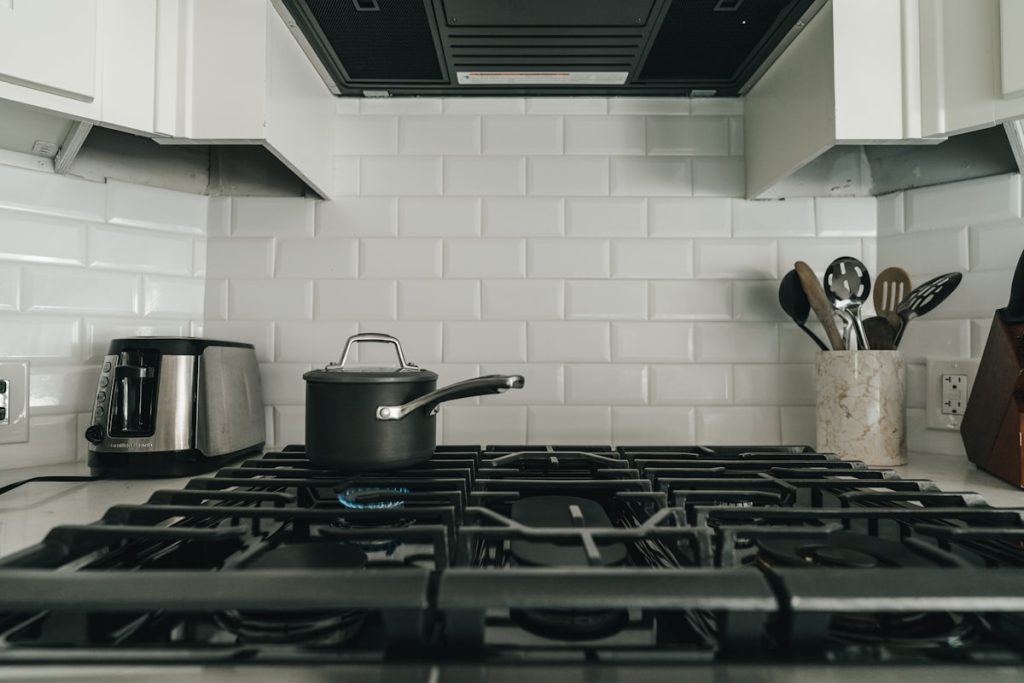
Every few months, check that all burners ignite promptly and produce a steady blue flame (a yellow or orange flame can indicate a dirty burner or ventilation issue worth investigating), confirm induction cooking zones heat evenly across their full surface, and inspect the cooktop’s edge seal against the countertop for any gaps where spills could seep underneath into the cabinetry below.
Building a Maintenance Log
Keeping even an informal note of when you last cleaned burner ports, replaced knobs, or noticed a flame color change makes it much easier to tell a technician whether a symptom is new or has been developing gradually. A burner that’s been slightly slower to light for months, for example, points to a different likely cause than one that stopped working overnight, and that distinction often narrows the diagnosis before any tools come out.
When Maintenance Isn’t Enough
Regular cleaning prevents most avoidable failures, but igniter switches, spark modules, and induction power boards still wear out over time regardless of how well the cooktop is maintained. If you notice inconsistent ignition or a burner that’s slower to light despite clean ports, our cooktop repair service can diagnose it before it becomes a complete failure. Schedule a checkup, review our troubleshooting guides for symptom-specific fixes, or check care instructions for your exact model on jennair.com.