This guide covers Maintain Your Jenn-Air Microwave with practical, technician-backed advice.
This guide covers Maintain Your Jenn 5 with practical, technician-backed advice.
This guide covers Jenn-Air Maintain Jenn 5 with practical, technician-backed advice.
Understanding the Maintain Your Jenn-Air Microwave
Below, our specialists break down everything you need to know about the Maintain Your Jenn-Air Microwave.
Understanding the Maintain Your Jenn 5
Below, our specialists break down everything you need to know about the Maintain Your Jenn 5.
Understanding the Jenn-Air Maintain Jenn 5
Below, our specialists break down everything you need to know about the Jenn-Air Maintain Jenn 5.
How Often Is Often Enough
A microwave used mainly for reheating leftovers and beverages needs less frequent deep cleaning than one used regularly for cooking dishes that splatter, like sauces or foods without a cover. As a general rule, wipe the interior after any visible spill immediately rather than letting it sit through several more uses, and do a full steam-and-wipe cleaning at least monthly regardless of how careful you are about covering food.
Interior Cleaning Protects More Than Appearance
Splattered food inside a Jenn-Air microwave isn’t just a cosmetic issue. Baked-on residue near the waveguide cover — the small panel, often on a side or rear wall, that protects the opening where microwave energy enters the cavity — can burn and eventually cause arcing, which damages both the cover and potentially the magnetron behind it. Wipe the interior after any spill using a damp cloth, and for stuck-on residue, heat a bowl of water with a little lemon juice for a few minutes to loosen grime with steam before wiping.
Preventing Odor Buildup
A microwave used for reheating fish, garlic-heavy leftovers, or other strong-smelling foods can retain odors in the interior even after visible residue is wiped away. Leaving the door slightly open between uses helps air the cavity out, and an occasional cleaning with the lemon-water steam method mentioned above addresses lingering smells more effectively than wiping alone.
Caring for the Turntable and Support
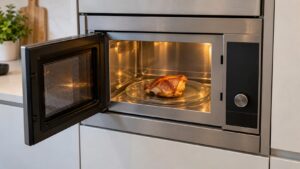
Remove and wash the turntable and its support ring regularly, since food debris trapped underneath can prevent smooth rotation and, over time, strain the turntable motor. Confirm the support ring sits flat and the turntable spins freely by hand before running the microwave, particularly after a deep cleaning.
Door Seal and Latch Maintenance
The door seal and the interlock latches around it are safety-critical, since they prevent microwave energy from escaping when the door is closed. Keep the door gasket area free of food buildup, and pay attention to how firmly the door latches shut — a door that feels looser than it used to, or that requires extra force to close, may indicate a worn latch mechanism worth having checked before it fails and disables heating entirely (since a compromised interlock switch will block the magnetron from receiving power as a safety measure).
Ventilation for Over-the-Range and Built-In Models
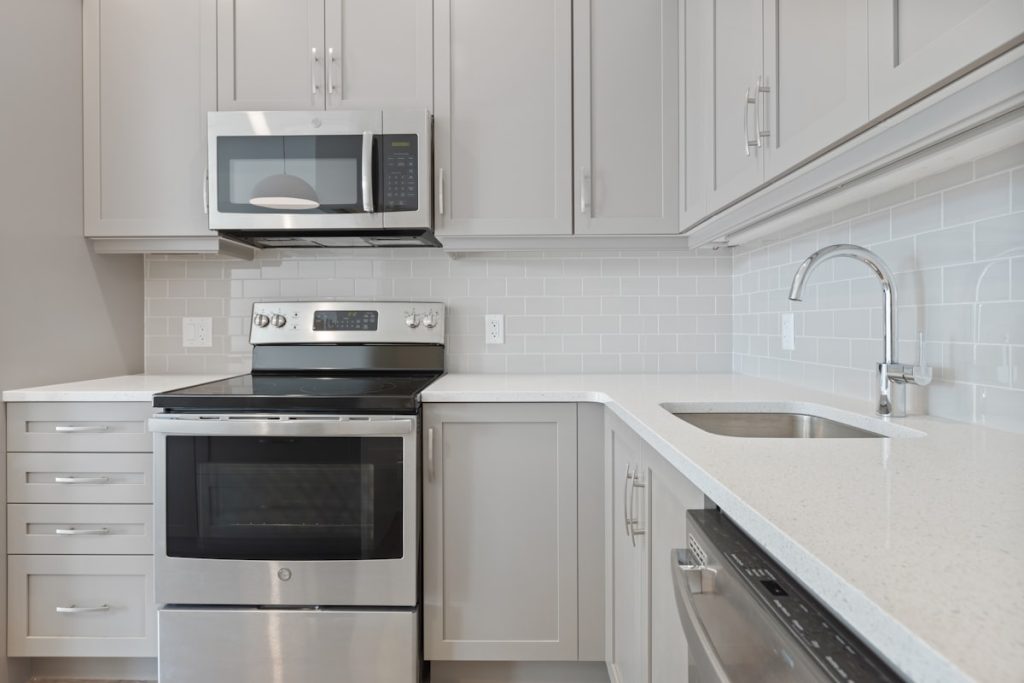
If your Jenn-Air microwave doubles as a range hood, the grease filter needs regular cleaning, generally monthly for households that cook often. A clogged grease filter doesn’t just reduce ventilation performance over the cooktop; on many units it also restricts the microwave’s own internal cooling airflow, which can shorten the life of the magnetron and control electronics through repeated overheating.
Avoiding Habits That Cause Premature Failure
Never run the microwave empty, even briefly, since without food or liquid to absorb the microwave energy, that energy reflects back into the magnetron and can damage it over repeated instances. Avoid using metal containers or utensils with metallic trim, which can cause arcing that damages the interior cavity paint and, in some cases, the waveguide cover.
External Cleaning and Control Panel Care
Wipe the control panel with a barely damp cloth rather than spraying cleaner directly onto it, since pooling liquid can seep behind the touchpad and cause the same kind of shorted-button problems seen on cooktop touch controls. Keep the exterior vents on the microwave’s housing free of dust to support proper internal airflow.
What Not to Microwave
Beyond metal, avoid sealed containers that can build pressure, eggs in their shell, and single-use plastic containers not rated for microwave use, since these can cause splatters, damage, or in rare cases minor cavity scorching that accelerates wear on the interior coating. Reading container labels for a microwave-safe rating takes seconds and prevents the kind of interior damage that otherwise requires professional attention.
When to Call for Repair
Good cleaning habits meaningfully extend a microwave’s service life, but magnetrons, diodes, and door switches eventually wear out regardless of maintenance. If your microwave runs but stops producing heat, see our microwave troubleshooting guide or our microwave repair service. Schedule a diagnostic visit, and review model-specific care instructions on jennair.com.