This guide covers Jenn-Air Wall Oven Configurations Explained with practical, technician-backed advice.
This guide covers Jenn-Air Jenn 3 with practical, technician-backed advice.
Jenn-Air wall ovens come in single, double, and combination configurations, and the right choice depends on how much simultaneous oven capacity your household actually uses, how much vertical wall space you have to work with, and whether features like a built-in microwave or Culinary Center steam function are worth the added installation footprint.
Understanding the Jenn-Air Wall Oven Configurations Explained
Below, our specialists break down everything you need to know about the Jenn-Air Wall Oven Configurations Explained.
Understanding the Jenn-Air Jenn 3
Below, our specialists break down everything you need to know about the Jenn-Air Jenn 3.
Single Wall Ovens
A single wall oven is the simplest configuration — one full-size cavity built into a wall opening at a comfortable height rather than a floor-level range oven. This suits smaller households or kitchens where a separate cooktop already handles stovetop needs and a single oven cavity covers baking and roasting demands. Single wall ovens take up less vertical wall space, cost less than double configurations, and are simpler to install, making them a common choice when wall space or budget is limited.
Double Wall Ovens
A double wall oven stacks two full-size cavities in one vertical opening, letting you run two dishes at different temperatures simultaneously — useful for holiday cooking, entertaining, or households that regularly bake and roast at the same time. Jenn-Air double wall ovens often incorporate V2 Vertical Dual-Fan Convection in one or both cavities for even multi-rack results. The trade-off is a taller wall cutout requirement and a higher price point than a single oven, so it’s worth confirming your kitchen actually has the vertical clearance before committing to this configuration.
Combination Wall Ovens
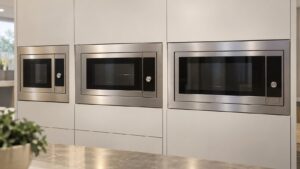
Combination configurations pair a full-size oven cavity with a secondary function — commonly a built-in microwave, or with Jenn-Air’s Culinary Center, a versatile cavity that can function as a steam oven, warming drawer, or additional convection oven depending on the model. This gives more functional variety in roughly the same footprint as a double wall oven, which is appealing if you want steam-cooking or microwave convenience without a separate countertop appliance. Combination units can be more complex to service since they house more than one heating or steam system in a single chassis.
Comparing the Three
- Single: Lowest cost, smallest footprint, one cavity only.
- Double: Two full ovens, most straightforward way to add simultaneous baking capacity, needs more vertical space.
- Combination: Adds microwave or steam/Culinary Center function, most feature-dense, generally the most complex to install and service.
Installation Planning
Wall oven cutouts are precisely sized by configuration, and converting from single to double after cabinetry is built typically means reframing the opening — not a simple appliance swap. If you’re renovating, decide on configuration early and confirm the exact wall cutout dimensions for the specific model you’re considering, since dimensions vary across Jenn-Air’s wall oven lineup. Current specifications are published at jennair.com.
Maintenance and Repair Differences
More cavities and functions generally mean more components that can eventually need attention — a double oven has two heating systems and two sets of controls, and a combination unit adds a microwave magnetron or steam generator to the mix. This doesn’t mean combination units fail more often, but when something does go wrong, correctly identifying which cavity or subsystem is affected matters for an accurate diagnosis. Our error code reference and model pages can help narrow down a specific issue.
Which Configuration Is Right for You
Base the decision on your actual cooking volume and available wall space rather than resale assumptions — a double or combination oven only pays off if you regularly need the extra capacity or features. For installation guidance specific to your kitchen or repair help with an existing wall oven, browse our services or schedule a visit.
Height and Accessibility
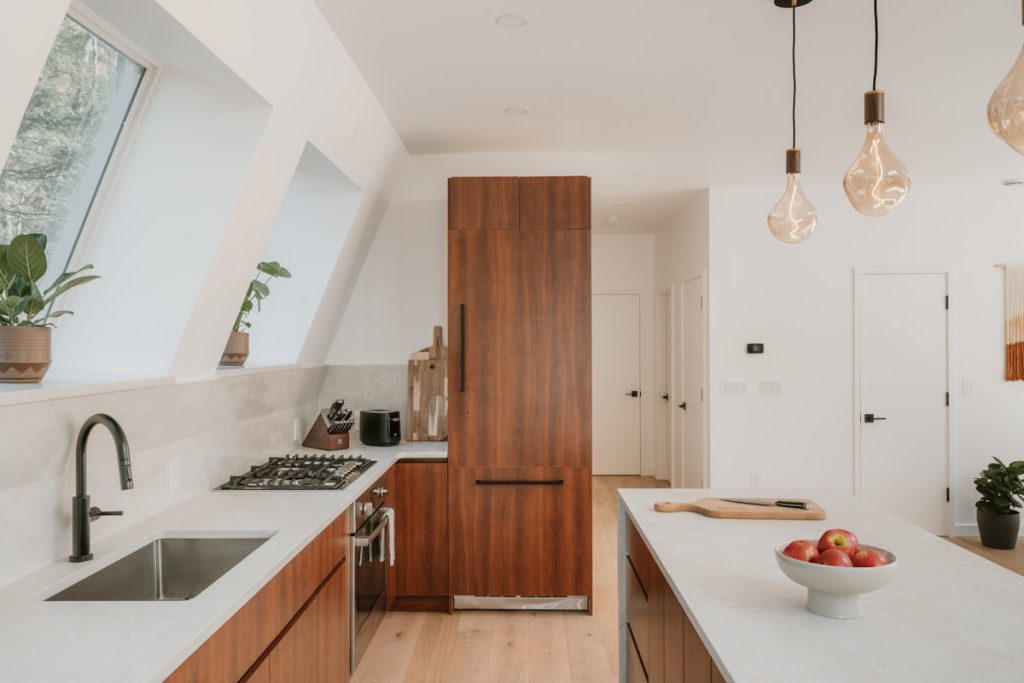
One underrated benefit of any wall oven configuration over a floor-level range oven is ergonomics — the cavity sits at counter height or above, reducing the bending required to check on food or remove heavy dishes. This matters more as households age in place, and it’s part of why many kitchen renovations shift from a range to a wall oven plus separate cooktop specifically for accessibility reasons, independent of which wall oven configuration is ultimately chosen.
Budgeting for the Right Configuration
Because reconfiguring later is disruptive, it’s worth being honest about how often you actually need two ovens running simultaneously before paying for a double or combination unit. Many households find a single wall oven paired with a strong cooktop covers real day-to-day cooking, while double and combination configurations pay off mainly for frequent entertainers or dedicated home bakers.