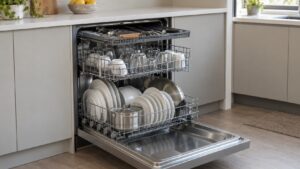

This guide covers Seasonal Care Tips For Jenn-Air with practical, technician-backed advice.
This guide covers Seasonal Care Tips For Jenn with practical, technician-backed advice.
This guide covers Jenn-Air Seasonal Care Tips Jenn with practical, technician-backed advice.
Jenn-Air kitchen appliances face different stresses across the year — humid summers affect refrigeration efficiency, dry winter air affects gaskets and seals, and holiday entertaining puts ranges, ovens, and dishwashers through heavier-than-usual cycles — so a seasonal care routine catches issues that a once-a-year checkup might miss.
Understanding the Seasonal Care Tips For Jenn-Air
Below, our specialists break down everything you need to know about the Seasonal Care Tips For Jenn-Air.
Understanding the Seasonal Care Tips For Jenn
Below, our specialists break down everything you need to know about the Seasonal Care Tips For Jenn.
Understanding the Jenn-Air Seasonal Care Tips Jenn
Below, our specialists break down everything you need to know about the Jenn-Air Seasonal Care Tips Jenn.
Spring
Spring is a good time for a deep clean after winter cooking season, including vacuuming refrigerator and wine column condenser coils, which tend to accumulate dust over months of heating system use. Check door gaskets on refrigeration and ovens for cracking or stiffness that may have developed over winter, since cold, dry indoor air can affect rubber seal flexibility. It’s also a reasonable time to run a dishwasher cleaning cycle to clear any mineral buildup accumulated over the winter months.
Summer
Higher ambient kitchen temperatures in summer make refrigeration compressors work harder to maintain internal temperature, so this is the season where clean condenser coils and intact door seals matter most. If your kitchen doesn’t have strong air conditioning, consider that ranges and ovens will add more heat to an already warm room — running downdraft or hood ventilation consistently during summer cooking helps manage both comfort and appliance strain. Wine columns are particularly sensitive to summer heat if placed near windows with direct sun exposure, so monitor internal temperature stability during the hottest months.
Fall
As cooking volume typically increases heading into fall baking and holiday preparation, it’s worth doing a pre-season check on oven convection fans, igniters, and heating elements before the heavy-use months begin. Clean dishwasher filters and spray arms ahead of increased entertaining season use, and confirm gas cooktop burners are producing clean, even blue flames rather than yellow or flickering ones that indicate a partially clogged burner port.
Winter
Winter’s dry indoor heating air can make refrigerator and freezer door gaskets more prone to cracking, so this is a good season to inspect seals with the paper-slip test — if a piece of paper pulls out easily when closed in the door, the gasket needs replacing. Holiday cooking season puts double wall ovens, ranges, and dishwashers through more simultaneous and back-to-back cycles than usual, so address any lingering minor issue (a slow-heating oven, an inconsistent dishwasher cycle) before the heaviest use period rather than during it.
Year-Round Habits That Support Seasonal Care
- Keep a simple log of when you last cleaned coils, filters, and gaskets so seasonal tasks don’t get missed.
- Address small performance changes immediately rather than waiting for the next season’s checkup.
- Use JennAir Connect app notifications, where available, to catch issues like a refrigerator door left open or unusual temperature swings between seasonal checks.
Why Seasonal Timing Matters for Repairs
Scheduling routine maintenance ahead of your highest-use season — before summer heat stresses refrigeration, or before holiday cooking stresses ovens and dishwashers — means problems get caught and fixed before they cause a breakdown during the exact time you’re relying on the appliance most. This is more effective than reactive repair, where you’re troubleshooting a dead oven the morning of a holiday gathering.
Model-specific care recommendations are published at jennair.com. For help identifying whether a seasonal symptom points to a bigger issue, check our error code reference or model pages, and schedule a seasonal maintenance visit ahead of your busiest cooking months.
Regional Climate Adjustments
Households in humid coastal climates should pay closer attention to refrigerator gasket condition year-round, since consistently high ambient humidity accelerates gasket wear compared to drier climates. Conversely, households in very dry climates should watch for gasket cracking sooner than the general seasonal schedule suggests, since low humidity dries out rubber seals faster. Adjust the seasonal checklist above based on your actual local climate rather than following it rigidly by calendar month alone.
Travel and Extended Absences
If you’ll be away from home for an extended period during any season, consider adjusting refrigerator temperature settings conservatively rather than turning units off entirely, and unplug or pause smart features that aren’t needed while away. For gas appliances, it’s reasonable to have burners checked before a long absence if you’ve noticed any irregular flame behavior, simply to reduce risk while the home is unattended.