This guide covers Extending The Lifespan Of Your with practical, technician-backed advice.
This guide covers Jenn-Air Extending Lifespan Jenn with practical, technician-backed advice.
Extending the working life of Jenn-Air kitchen appliances comes down to a handful of consistent habits — keeping components clean, avoiding overloading or misuse, and addressing small issues before they become expensive failures — that apply across ranges, refrigeration, dishwashers, and cooktops even though the specific maintenance tasks differ by appliance type.
Understanding the Extending The Lifespan Of Your
Below, our specialists break down everything you need to know about the Extending The Lifespan Of Your.
Understanding the Jenn-Air Extending Lifespan Jenn
Below, our specialists break down everything you need to know about the Jenn-Air Extending Lifespan Jenn.
Ranges, Cooktops, and Ovens
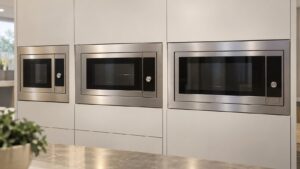
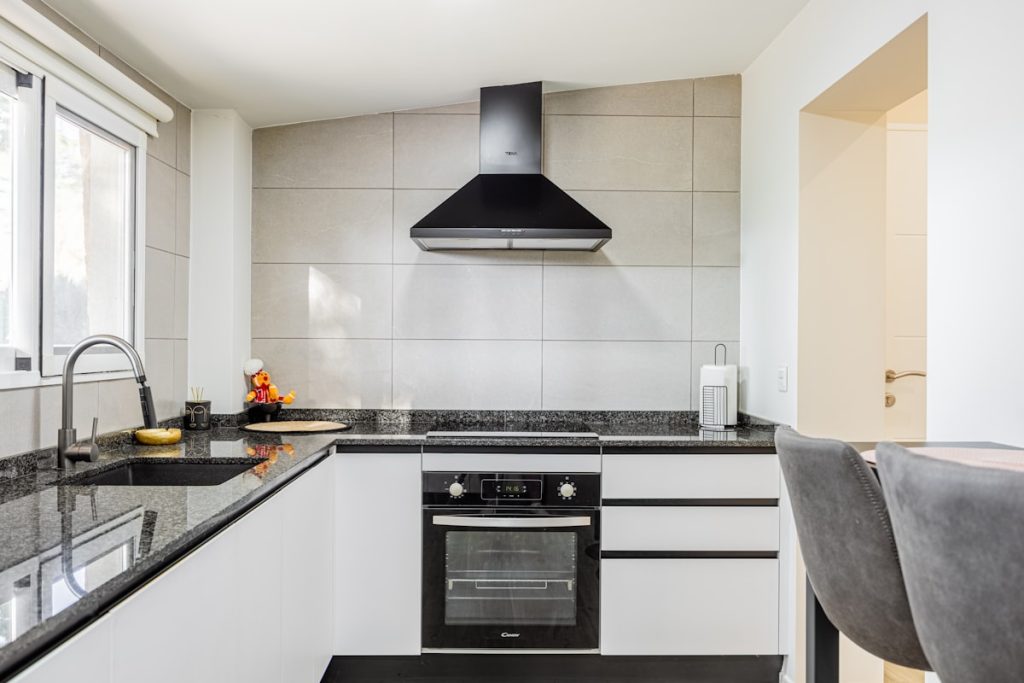
Grease buildup around burners, grates, and oven interiors doesn’t just look bad — over time it can affect ignition on gas burners and interfere with even heat distribution in an oven cavity. Regular cleaning after cooking sessions, rather than letting buildup accumulate for weeks, keeps components working as designed. For self-cleaning oven cycles, don’t run them excessively, since the high heat involved does put additional stress on heating elements and door seals over the appliance’s lifetime. Avoid using oven cleaner sprays on cooktop glass or induction surfaces, since these are formulated for different materials and can damage glass finishes.
Refrigeration
The single biggest lifespan factor for any refrigerator or wine column is compressor strain, which is driven largely by door seal condition, coil cleanliness, and how consistently the unit is loaded. Vacuum condenser coils at least twice a year, replace worn gaskets promptly, and avoid propping doors open for extended periods while unpacking groceries. Keeping refrigeration units level also matters more than most owners realize — an unlevel unit can cause door seal gaps and drainage issues that lead to premature wear.
Dishwashers
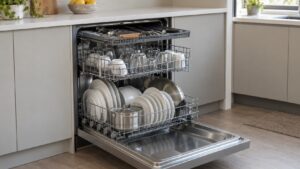
Clean the filter regularly rather than letting food debris accumulate, since a clogged filter forces the wash pump to work harder over every cycle, straining the motor over time. Use only dishwasher-rated detergent — regular dish soap creates excessive suds that can damage internal components. Periodically run a cleaning cycle with a dishwasher-safe cleaning product to clear mineral buildup from hard water, which affects both wash performance and component longevity.
General Habits That Extend Life Across All Appliances
- Don’t overload any appliance beyond its rated capacity — overloaded dishwashers, ovens, and refrigerators all place additional strain on motors, fans, and compressors.
- Address unusual noises, smells, or performance changes promptly rather than waiting for a full failure, since early-stage issues are typically less expensive and less disruptive to fix.
- Keep appliances level and properly installed according to specification — improper installation accelerates wear on components not designed to compensate for it.
- Use manufacturer-recommended cleaning products where specified, since generic products can be too harsh or ineffective for specific finishes and components.
The Role of Preventive Service
Just as vehicles benefit from scheduled maintenance rather than only being serviced after a breakdown, kitchen appliances with moving mechanical parts — compressors, motors, pumps, igniters — benefit from periodic professional inspection, particularly as they age past the middle of their expected service life. A technician can catch a weakening component, like a compressor drawing more current than normal or a door seal losing elasticity, well before it causes a full failure or a larger secondary problem.
When Age Means It’s Time to Repair, Not Replace
Premium built-in appliances like Jenn-Air’s are generally designed and priced for a long service life, and a well-maintained unit experiencing an isolated component failure is often more cost-effective to repair than replace, especially for built-in refrigeration and wall ovens where replacement involves cabinetry work. Full model specifications and expected service details are available at jennair.com. For diagnosing a specific symptom, see our error code reference, browse maintenance guides, or schedule a technician visit for a professional inspection.
Documentation and Warranty-Independent Record Keeping
Even as an independent service provider, we recommend keeping a simple record of service visits, parts replaced, and dates for each major appliance. This history helps a technician quickly rule out recently-serviced components when diagnosing a new issue, and it gives you a clearer picture of which appliances are approaching the point where repair costs might start to outweigh the value of continued repair versus replacement.
Environmental Factors Around the Kitchen
Appliance lifespan is also affected by factors outside the appliance itself — poor kitchen ventilation increases grease and moisture exposure on cooking appliances, while a kitchen prone to temperature swings (near an exterior door, for instance) puts additional strain on refrigeration compressors trying to maintain a stable internal temperature. Addressing these environmental factors, where practical, extends appliance life just as much as direct maintenance does.